The best games like Onimusha: Way of the Sword are not automatically Soulslikes. Start with Onimusha 2: Samurai's Destiny for the same series DNA, Devil May Cry 5 for faster demon-slaying combat, or Ghost of Tsushima for grounded samurai sword fights.
This list is for the more specific itch: deliberate melee combat, supernatural enemies, Japanese settings, or a strong single-player action story without mandatory corpse runs and hours spent learning one boss. Some of these games can still get hard. The difference is that they give you a useful way to turn the pressure down.
The short version
- Closest overall match: Onimusha 2: Samurai's Destiny
- Best combat-first alternative: Devil May Cry 5
- Best samurai game: Ghost of Tsushima Director's Cut
- Best overlooked Capcom pick: Kunitsu-Gami: Path of the Goddess
1. Onimusha 2: Samurai's Destiny
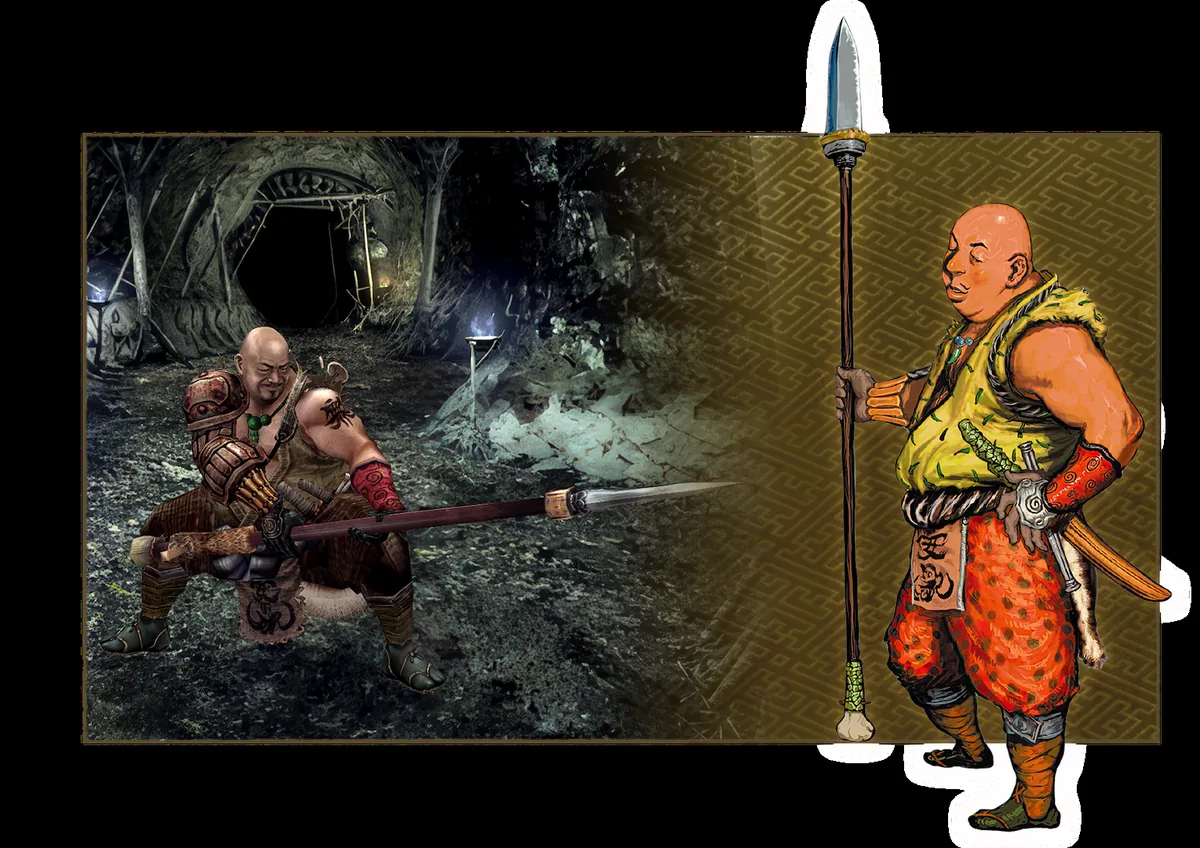
This is the uncomplicated answer. The 2025 remaster preserves the original's fixed-camera adventure structure, demon fights, soul absorption, Issen counters, and feudal-Japan setting. It is older and more rigid than Way of the Sword, but no other recommendation shares this much of its machinery.
The remaster also makes the trip back easier: Easy mode is available immediately, weapons can be swapped without opening the menu, and autosave has been added. If Way of the Sword was your first Onimusha, this is the sensible next stop rather than a vaguely similar modern action RPG.
Skip it if: Fixed cameras and early-2000s level design bother you more than difficulty does.
Platforms: PC, PlayStation 4, Xbox One, Nintendo Switch; playable through backward compatibility on newer PlayStation and Xbox hardware.
2. Devil May Cry 5
Choose this when the demons and Capcom combat matter more than the samurai setting. Devil May Cry 5 is quicker, louder, and much more interested in long combos. Its lower difficulty options let you learn the three main characters without turning every fight into an exam.
It does not reproduce Onimusha's measured blade clashes. What it carries over is the pleasure of cutting through grotesque enemies with a combat system that keeps opening up. This is the strongest pick here if you finished Way of the Sword wishing it would let you be more aggressive.
Skip it if: Character switching, combo ranks, and deliberately over-the-top action sound exhausting.
Platforms: PC, PlayStation 4, PlayStation 5, Xbox One, Xbox Series X|S.
Find Devil May Cry 5 on Amazon3. Ghost of Tsushima Director's Cut
Ghost of Tsushima drops the demons but keeps the katana, parries, duels, and historical-Japan atmosphere. Its sword fights are readable and weighty, while adjustable difficulty, aim assistance, and enhanced combat cues give you room to tune the experience.
The major tradeoff is structure. This is an open world full of side activities, stealth options, and travel, not a compact supernatural action game. Pick it for the samurai fantasy, not because it follows Onimusha's pacing.
Skip it if: You are specifically trying to get away from large maps and optional objectives.
Platforms: PC, PlayStation 4, PlayStation 5.
4. Kunitsu-Gami: Path of the Goddess
This is the odd recommendation, but it matches a part of Onimusha that the obvious action games miss. Capcom built it around Japanese folklore, corrupted villages, strange monsters, and sword-dance combat. By day you purify and prepare; at night you position villagers and fight off the Seethe.
That action-strategy split means it is not a substitute for one-on-one duels. It is a good follow-up if the twisted Japanese setting was the thing that stayed with you and you want another game with a distinct identity rather than another parry-heavy action RPG.
Skip it if: You want to control only your character and never pause to arrange units.
Platforms: PC, PlayStation 4, PlayStation 5, Xbox One, Xbox Series X|S.
5. God of War Ragnarök
For cinematic monster fights and heavy melee combat, God of War Ragnarök is the easiest recommendation to tune. Its five difficulty levels range from story-focused to severe, and the combat still has plenty to learn when played below the top settings.
The axe, blades, shield work, finishers, and large bosses capture some of Onimusha's physical impact, although the Norse setting and gear systems take it in a different direction. It is also a much bigger story commitment.
Skip it if: You want a lean campaign or have not played 2018's God of War and care about following the story in order.
Platforms: PC, PlayStation 4, PlayStation 5.
Find God of War Ragnarök on Amazon6. Final Fantasy XVI
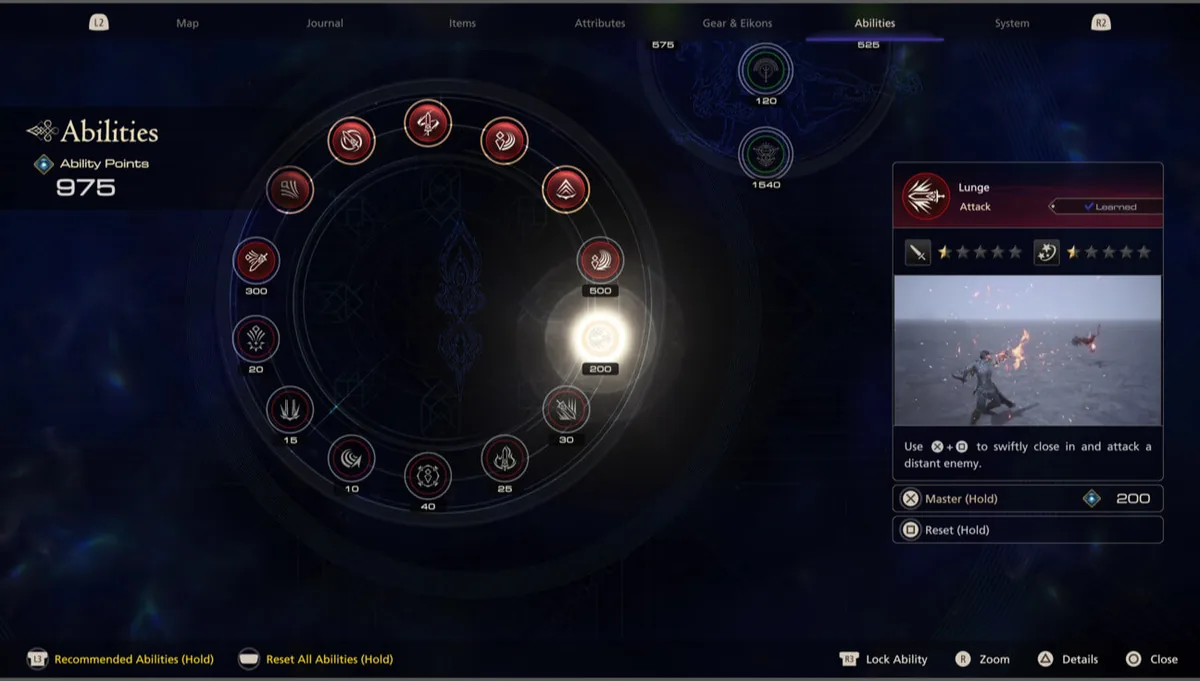
Final Fantasy XVI is the pick for spectacle. Clive fights with a sword and unlocks Eikonic abilities that can be mixed into fast real-time combos. Story-focused difficulty and Timely Accessories can automate or simplify parts of combat, so enjoying the boss fights does not require Soulslike patience.
It is more RPG-shaped than Onimusha, with long cutscenes, side quests, and enormous set pieces. The ordinary encounters are also less concerned with careful parry timing. Come here for a dark fantasy action story with a forgiving floor, not a close mechanical match.
Skip it if: Long stretches of story between fights are a deal-breaker.
Platforms: PC, PlayStation 5, Xbox Series X|S.
Which one should you play first?
Play Onimusha 2 if you want more Onimusha. Pick Devil May Cry 5 if combat depth matters most, Ghost of Tsushima for the samurai setting, or Kunitsu-Gami for another supernatural Japanese game that does not feel assembled from the usual action-RPG parts.
If the real requirement is simply “good sword combat, but let me choose how stressful tonight gets,” God of War Ragnarök and Final Fantasy XVI offer the most control over that balance.
Still stuck? Tell the game recommender which part of Onimusha you liked, or put two finalists into the game randomizer and stop negotiating with yourself.
Sources
- Onimusha: Way of the Sword interview and combat details
- Onimusha 2: Samurai's Destiny remaster features
- Official Devil May Cry 5 Xbox listing
- Official Kunitsu-Gami overview and system requirements
- Ghost of Tsushima Director's Cut accessibility and platform details
- God of War Ragnarök difficulty levels
- Official Final Fantasy XVI combat and accessibility overview