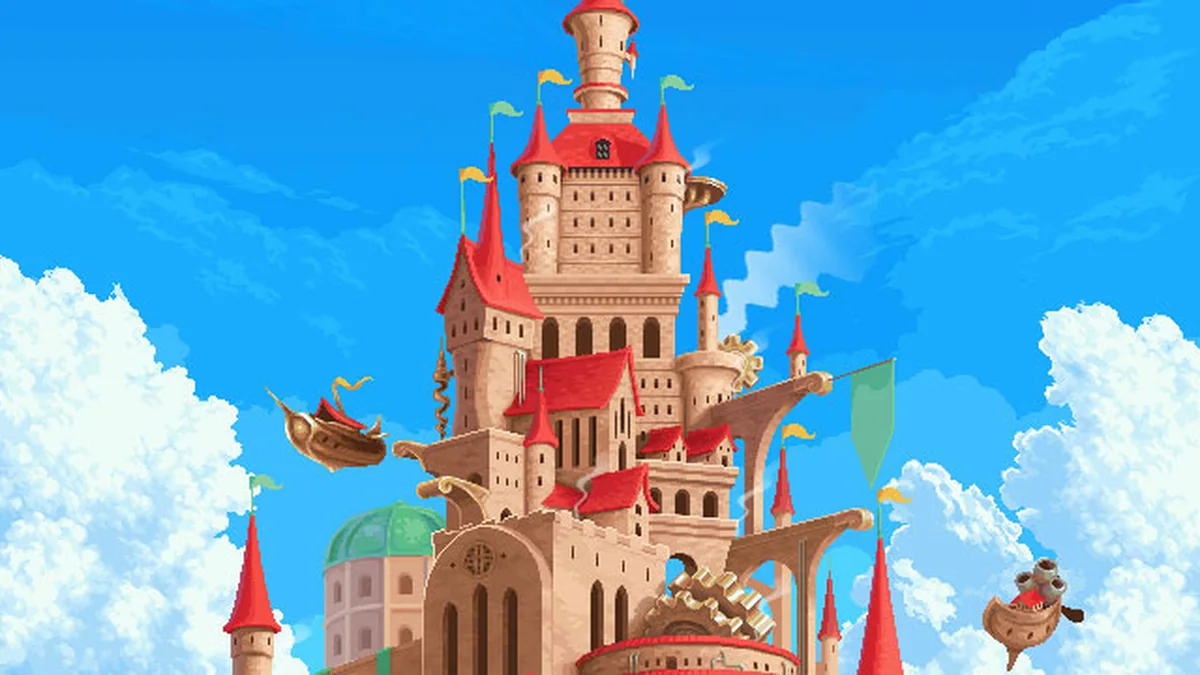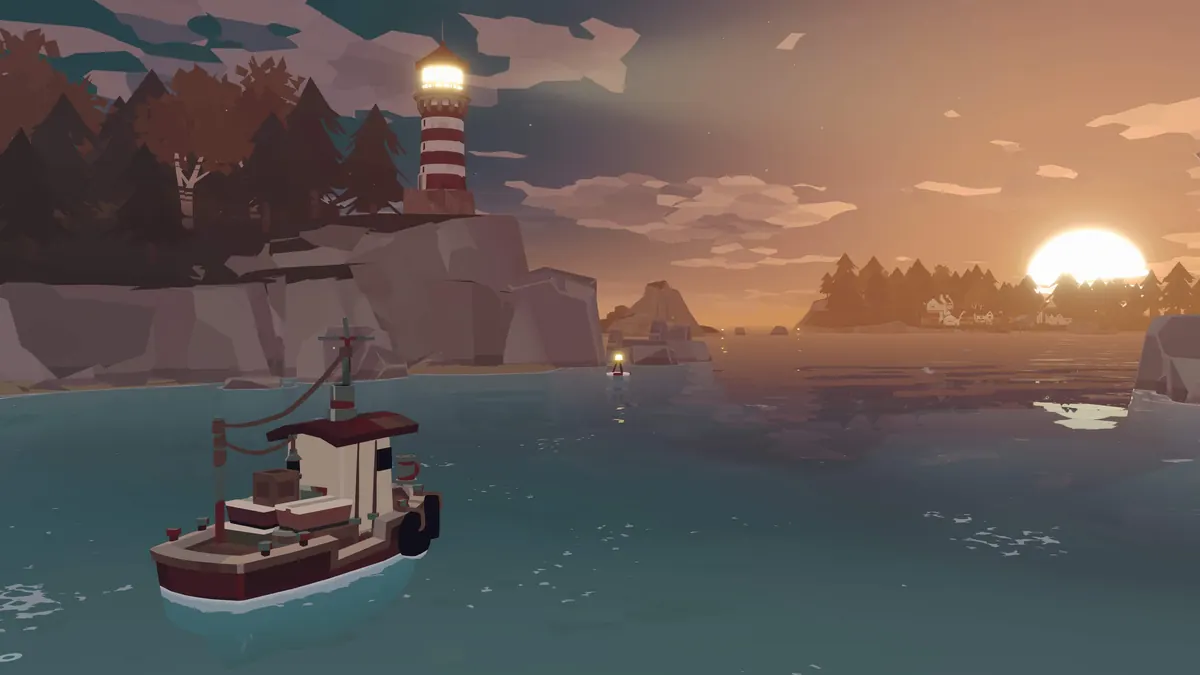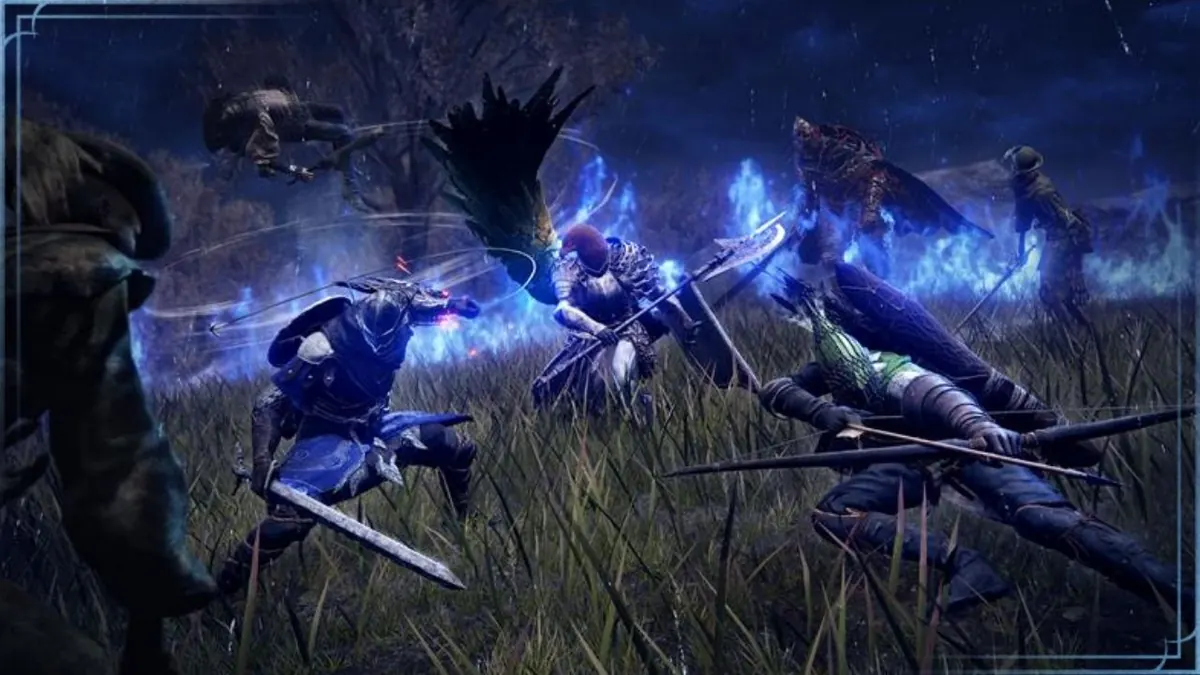
The best grindy games are Monster Hunter Rise, Warframe, Disgaea 7, Nioh 2, Granblue Fantasy: Relink, Old School RuneScape, and Deep Rock Galactic. All seven ask you to repeat activities, but the repetition buys something understandable: a new build, a stronger weapon, a finished collection, or access to a harder problem.
That distinction matters because "hundreds of hours" is not automatically value. A good grind gives you goals you chose and a loop that still feels decent after the reward takes too long. A bad one turns a fun game into a calendar, a store, or a second inbox.
Quick picks by kind of grind
- Best overall loop: Monster Hunter Rise - the fight itself is worth repeating.
- Best free option: Warframe - an absurd number of frames, weapons, and systems to pursue.
- Best pure numbers grind: Disgaea 7 - it proudly lets optimization become the entire game.
- Best relaxed long-term project: Old School RuneScape - slow progress that never expires.
- Best with friends: Deep Rock Galactic - repetition survives because the caves and teams keep changing.
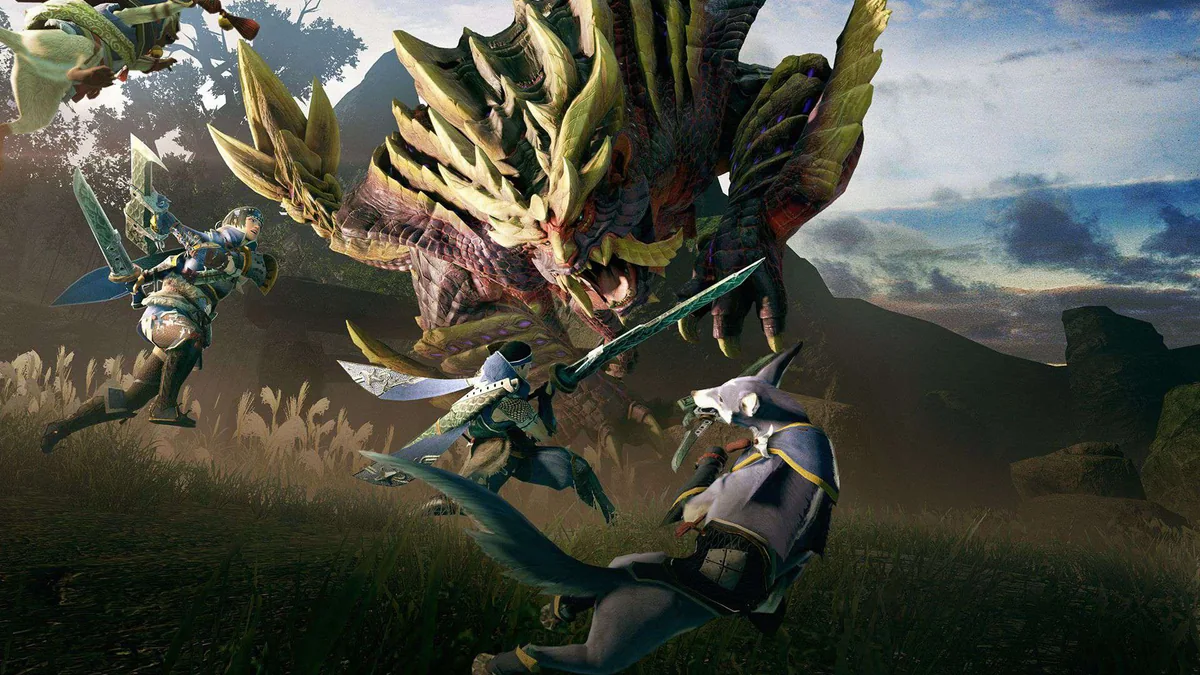
1. Monster Hunter Rise + Sunbreak
Monster Hunter turns repetition into preparation. Hunt a monster, turn its parts into armor or a weapon, adjust the build, and return to fight something stronger. Rise is especially good at removing dead time: wirebugs make traversal fast, hunts are easy to start, and fourteen weapon types can make the same monster feel like a different assignment.
The Sunbreak expansion is where the long-term grind really opens up, but do not buy it expecting every reward to arrive cleanly. Rare materials, endgame anomaly research, and armor augments can become genuine RNG work. The reason Rise stays above games with more content is that learning a hunt remains satisfying even when the desired drop refuses to appear.
Best for: Players who want their own mechanical improvement to matter as much as the gear bar.
Skip it if: Repeating bosses for parts sounds pointless no matter how good the combat is.
Platforms: PC, PS4, PS5, Xbox One, Xbox Series X|S, and Nintendo Switch.
2. Warframe
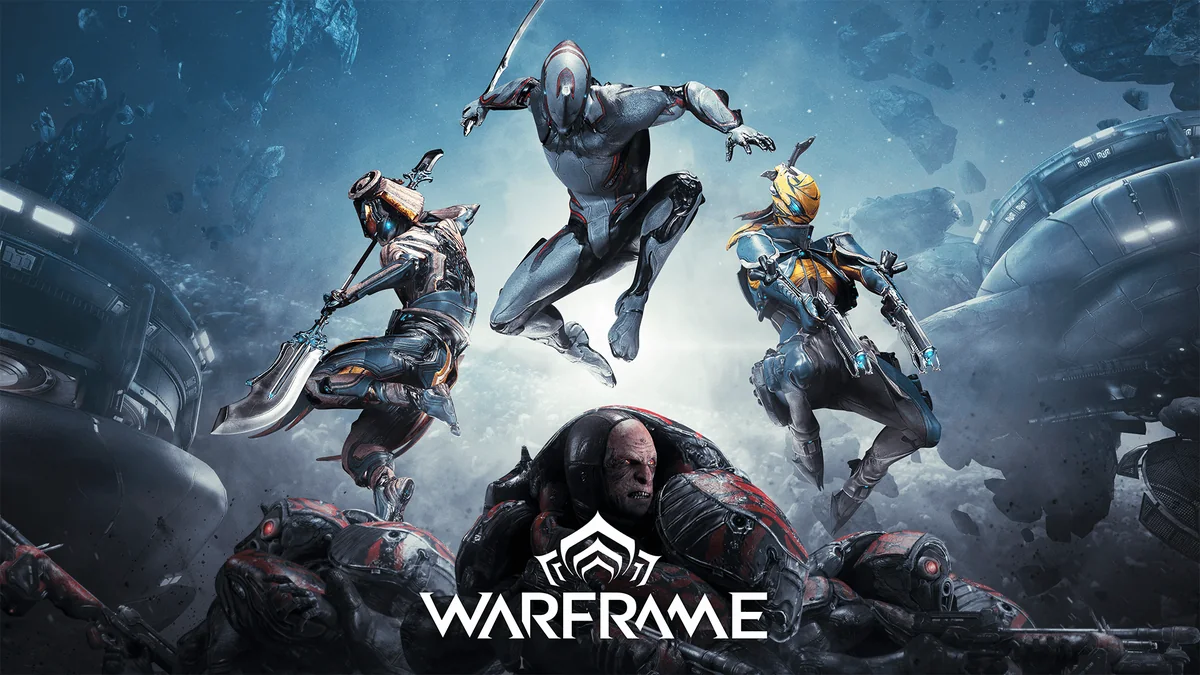
Warframe is less one grind than a warehouse full of them. Clearing mission nodes opens planets and quests; resources become weapons and Warframes; using that equipment raises Mastery; mods turn familiar gear into increasingly ridiculous builds. There is almost always another useful target close enough to name.
Movement and combat carry the repetition. Sliding, bullet-jumping, and clearing a room as a highly modified space ninja rarely feels as slow as the crafting timer says it should. The warning is the onboarding. Important systems arrive faster than the game explains them, some crafted items take real-world time to finish, and it is easy to replace your own goal with five wiki tabs.
Best for: A free, cooperative collection project with years of accumulated systems.
Skip it if: Crafting timers, dense menus, and looking things up outside the game break the spell.
Platforms: PC, PS4, PS5, Xbox One, Xbox Series X|S, Nintendo Switch, iOS, and Android.
3. Disgaea 7: Vows of the Virtueless
Most RPGs hide their excess behind a serious plot. Disgaea puts level 9,999 on the box and asks whether you would like to reincarnate the character and do it more efficiently. The campaign is only the entrance. Item World runs improve individual pieces of equipment, character reincarnation converts old progress into better foundations, and the post-game keeps supplying larger numbers to dismantle.
This is the most honest grind here because optimization is not a toll between story chapters; optimization is the toy. Auto-battle can remove some manual repetition, though managing its resource and programming efficient behavior becomes another system to solve.
Best for: Turn-based players who enjoy breaking progression systems more than finishing a tidy campaign.
Skip it if: Menus, stat inflation, and repeating generated floors sound like accounting with cartoons.
Platforms: PC, PS4, PS5, and Nintendo Switch.
4. Nioh 2
Nioh 2 combines demanding action combat with the loot volume of a dungeon crawler. The first campaign teaches stances, Ki management, counters, and a huge weapon roster. Later difficulty cycles add stronger equipment tiers and more reasons to rebuild the same character around set bonuses and specific effects.
Unlike a passive leveling grind, improvement comes from two directions. Better drops matter, but cleaner Ki pulses and a learned boss pattern matter just as much. That also makes Nioh 2 exhausting. Loot comparison is constant, the opening hours are severe, and anybody looking for a low-attention routine should choose almost anything else here.
Best for: Players who want a deep loot grind attached to combat they can genuinely master.
Skip it if: Soulslike difficulty or sorting a full inventory after missions ruins your evening.
Platforms: PC, PS4, and PS5.
5. Granblue Fantasy: Relink
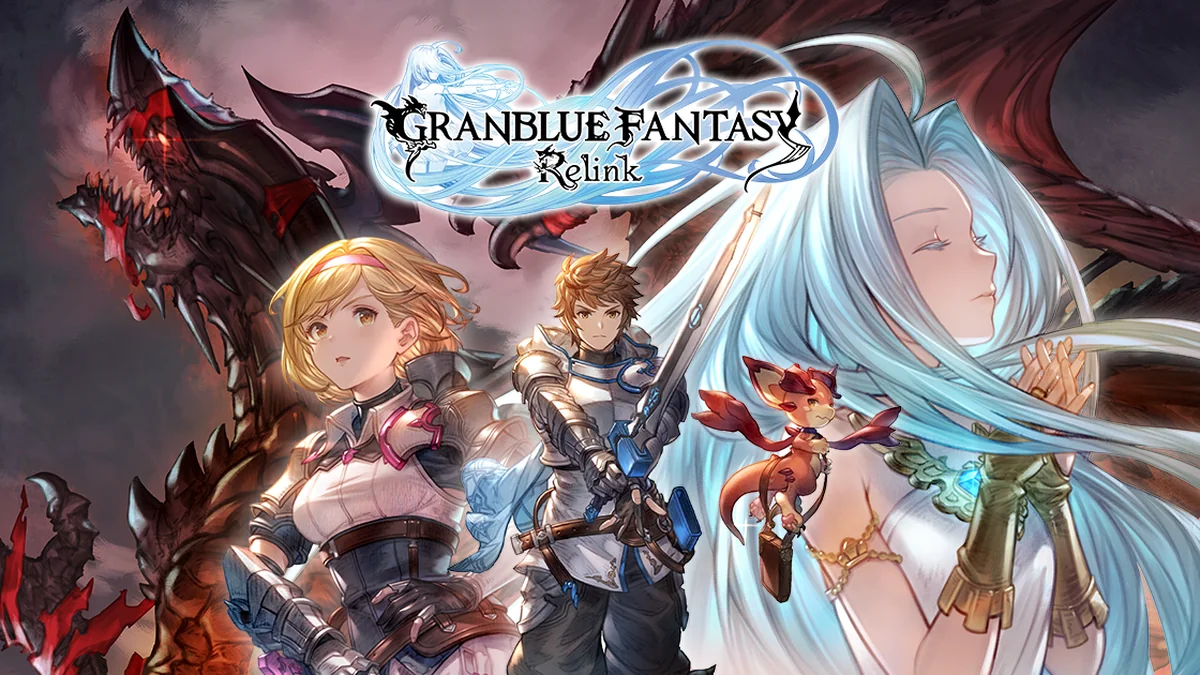
Relink starts as a straightforward action-RPG campaign and becomes a repeatable quest game. The long tail is building a roster: unlock characters, improve weapons, collect sigils, raise damage caps, and revisit bosses at higher difficulties for the next missing piece.
The fights are shorter and more immediately readable than Nioh 2, while four-player online co-op makes repeated bosses easier to turn into a regular group activity. Its endgame is also narrower. You will see the same arenas and attacks many times, and some late upgrades ask for a very specific drop rather than a clever new route.
Best for: Anime action fans who want contained co-op boss farming rather than an endless MMO world.
Skip it if: Repeating a small endgame quest pool for rare materials quickly exposes the machinery for you.
Platforms: PC, PS4, and PS5.
6. Old School RuneScape
Old School RuneScape is the purest long-term progression project on this list. Skills rise slowly, quests have specific requirements, equipment milestones remain meaningful, and a modest goal such as "I should improve my fishing" can somehow reorganize the next month of your life.
Its pace can be either soothing or indefensible. Many activities need little attention and work well beside a video, while bosses and raids eventually demand proper execution. The game also sells membership and tradable Bonds, so decide early whether the slow road feels satisfying before turning efficiency into an obligation.
Best for: Someone who wants persistent goals measured in months or years, including plenty of low-attention ones.
Skip it if: Repeating simple actions for small experience gains sounds exactly like the grind you hate.
Platforms: PC, macOS, iOS, and Android.
7. Deep Rock Galactic
Deep Rock Galactic repeats a clear structure: enter a procedural cave, complete an industrially questionable mining job, survive extraction, and spend the results on weapons, modifications, cosmetics, and promotions. The cave layouts and enemy pressure change enough that the mission is not just a loading screen attached to the reward.
Long-term players chase weapon overclocks and class promotions, but progression is gentler than Warframe or RuneScape. That makes it the best recommendation when you want a recurring co-op game rather than one all-consuming account. Solo play works with the helpful robot Bosco; the real longevity comes from friends whose plans collapse differently each night.
Best for: A group that wants repeatable sessions, durable unlocks, and no competitive treadmill.
Skip it if: You need a story campaign or dislike procedural caves that reuse the same objectives.
Platforms: PC, PS4, PS5, Xbox One, and Xbox Series X|S.
Which kind of grind do you actually want?
Choose Monster Hunter Rise when repeating the activity should be the reward, Warframe when you want a giant collection checklist, Old School RuneScape when progress needs to last for years, or Disgaea 7 when watching numbers become unreasonable is the whole appeal.
If you mainly want a game for the background, our list of games to play while listening to podcasts or watching YouTube is a better fit. If you came here because you are completely done with repetitive fights, use the companion guide to turn-based RPGs without mandatory grinding.
For something more specific, tell the game recommender whether you want solo or co-op, active combat or low attention, and how much live-service friction you will tolerate.