The best turn-based RPGs without mandatory grinding are Chained Echoes, Sea of Stars, Baldur's Gate 3, Super Mario RPG, Dragon Quest XI S, Chrono Trigger, and Child of Light. You can make optional detours in all of them, but none expects you to pace around the same field collecting levels before every major fight.
That does not mean seven effortless games. Baldur's Gate 3 can punish a bad plan, and Chained Echoes expects you to understand its combat system. The difference is that the answer is usually a new tactic, useful equipment, or a difficulty adjustment - not killing another 40 slimes.
Quick picks
- Best overall: Chained Echoes - progression is tied to meaningful victories rather than conventional level farming.
- Best relaxed choice: Super Mario RPG - short, welcoming, and even gentler in Breezy Mode.
- Best big RPG: Baldur's Gate 3 - its encounters are finite and deliberately placed.
- Best classic: Chrono Trigger - brisk pacing without the old random-battle tax.
1. Chained Echoes
Chained Echoes is the cleanest answer to this search. Enemies appear in the world, battles begin without a separate random roll, and the usual experience-level treadmill is gone. Major victories award Grimoire Shards that unlock skills across the party, so progress follows the adventure instead of time spent circling a save point.
Regular fights still matter. The Overdrive system punishes mindless use of your strongest move, and equipment upgrades can become fiddly. If a boss stops you, though, the useful response is to rethink the party and its skills rather than repeat easy battles until the numbers win.
Best for: Someone who misses 16-bit RPGs but no longer has patience for their worst habits.
Skip it if: Equipment crystals and a fairly dense story sound like a different kind of busywork.
Platforms: PC, PS4, PS5, Xbox One, Xbox Series X|S, and Nintendo Switch.
2. Sea of Stars
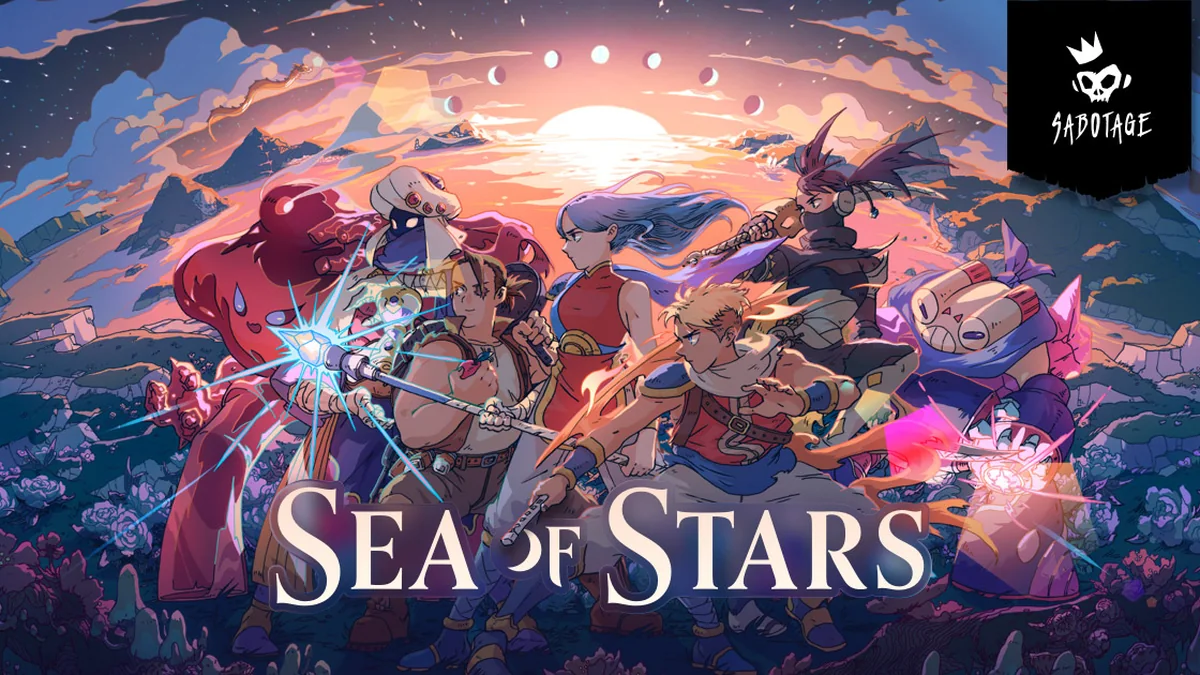
Sea of Stars makes the promise unusually explicit: no random encounters and no grinding. Enemies are visible, fights happen directly in the environment, and timed button presses keep basic attacks and defenses from becoming completely passive.
Its adjustable Relics are the important part for this list. If a boss becomes a wall, you can change specific parts of the difficulty instead of leaving to farm levels. The combat does repeat some ideas over a long adventure, so this is a better fit for somebody avoiding forced grinding than somebody who needs every ordinary encounter to feel new.
Best for: A colorful, approachable RPG with exploration and active turns.
Skip it if: You need deep character builds or consistently sharp writing more than a comfortable journey.
Platforms: PC, PS4, PS5, Xbox One, Xbox Series X|S, Nintendo Switch, Nintendo Switch 2, iOS, and Android.
3. Baldur's Gate 3
Baldur's Gate 3 cannot really be ground in the traditional sense. Its world contains authored quests and encounters rather than endlessly respawning groups placed there to feed you experience. Reaching the level cap is about exploring and solving situations, and many problems can be handled through conversation, stealth, or one questionable shove near a cliff.
It is much more complicated than the other games here. A player who skips most side content can also arrive underprepared, but the fix is to explore parts of the game they missed - not repeat the same fight. Its generous difficulty options now range from Explorer to Custom, while turn-based combat gives you time to inspect the mess before making it worse.
Best for: A long, reactive RPG where choices and experimentation replace routine battles.
Skip it if: Managing a four-person party, inventories, spells, and sprawling quests is exactly the repetition you are trying to escape.
Platforms: PC, PS5, Xbox Series X|S, and macOS.
4. Super Mario RPG
Super Mario RPG is the low-commitment answer. Enemies are visible on the map, the adventure moves quickly, and successful timed hits let attention matter more than squeezing out extra levels. The Switch remake also adds Breezy Mode, which makes combat easier and leveling faster if you want the story and jokes without resistance.
This is not a deep RPG. Builds are limited, the route is mostly straightforward, and experienced players may find the normal difficulty too easy. That is also why it works: it knows exactly how much RPG you came for and gets out of the way before the routine wears thin.
Best for: A shorter, cheerful first RPG or a break between heavier games.
Skip it if: You want difficult tactical decisions or a large world to inhabit for months.
Platforms: Nintendo Switch and Nintendo Switch 2 via backward compatibility.
5. Dragon Quest XI S: Echoes of an Elusive Age
Dragon Quest XI S is the traditional option that does not demand traditional suffering. In its normal 3D mode, monsters are visible before combat, and simply fighting a reasonable share of what crosses your path keeps the party ready for the main story. Automatic battle tactics and an ultra-fast combat speed also take the drag out of routine encounters.
This is still a very long, deliberately old-fashioned adventure. Some late challenges reward extra levels, and the optional 2D mode restores random encounters. Stay in 3D, avoid the tougher Draconian Quest settings, and it is far friendlier than its enormous runtime suggests.
Best for: Someone who wants the comfort of a classic JRPG without stopping the story to level-farm.
Skip it if: Repeated battle music, familiar monster families, and a long final act are already warning signs.
Platforms: PC, PS4, Xbox One, Xbox Series X|S, Nintendo Switch, and Nintendo Switch 2 via backward compatibility.
6. Chrono Trigger
Chrono Trigger is the older game here that still understands momentum. Most enemies are visible or triggered by entering a specific part of the environment, battles happen on the exploration screen, and the story moves through distinct eras before any one area becomes exhausting.
You may repeat a few fights if you avoid everything or want late-game abilities, but ordinary play is enough for the main route. Its real limitation in 2026 is availability: the current official versions are on PC and mobile, not modern consoles.
Best for: A compact classic with very little wasted motion.
Skip it if: Touch controls or the current PC version are not how you want to play a classic RPG.
Platforms: PC, iOS, and Android.
7. Child of Light
Child of Light uses a visible timeline rather than simple alternating turns. You can interrupt an enemy while it prepares an action, slow it with Igniculus, or swap party members to change the order. Enemies sit visibly in the watercolor world, and the campaign is short enough that its systems do not need a long leveling detour to support them.
The rhyming dialogue will either feel like part of the fairy tale or become irritating within an hour. Combat is also lighter than a full tactical RPG, but that makes it a useful choice when you want a complete adventure rather than a new lifestyle.
Best for: A short, gentle RPG with a more active spin on turn order.
Skip it if: Constant rhymes or a fairy-tale presentation will wear out their welcome.
Platforms: PC, PS4, Xbox One, and Nintendo Switch.
What counts as "no grinding" here?
Every game on this list lets you improve characters, take side quests, or seek optional rewards. The cutoff is simpler: a normal playthrough should not regularly make you repeat low-risk encounters just to reach the expected level. Visible or fixed enemies also let you make an informed choice instead of being interrupted every few steps.
Start with Chained Echoes if the progression system matters most, Super Mario RPG if you want something easy to finish, or Baldur's Gate 3 if you want one enormous RPG that replaces grinding with decisions.
If you read this and realized repetition is actually the part you enjoy, see our companion list of grindy games with satisfying progression. Otherwise, tell the game recommender that you want visible encounters and no level farming.